ASARO (Assembly of Revolutionary Artists of Oaxaca)



ASARO
ASARO (Asamblea de Artistas Revolucionarios de Oaxaca)
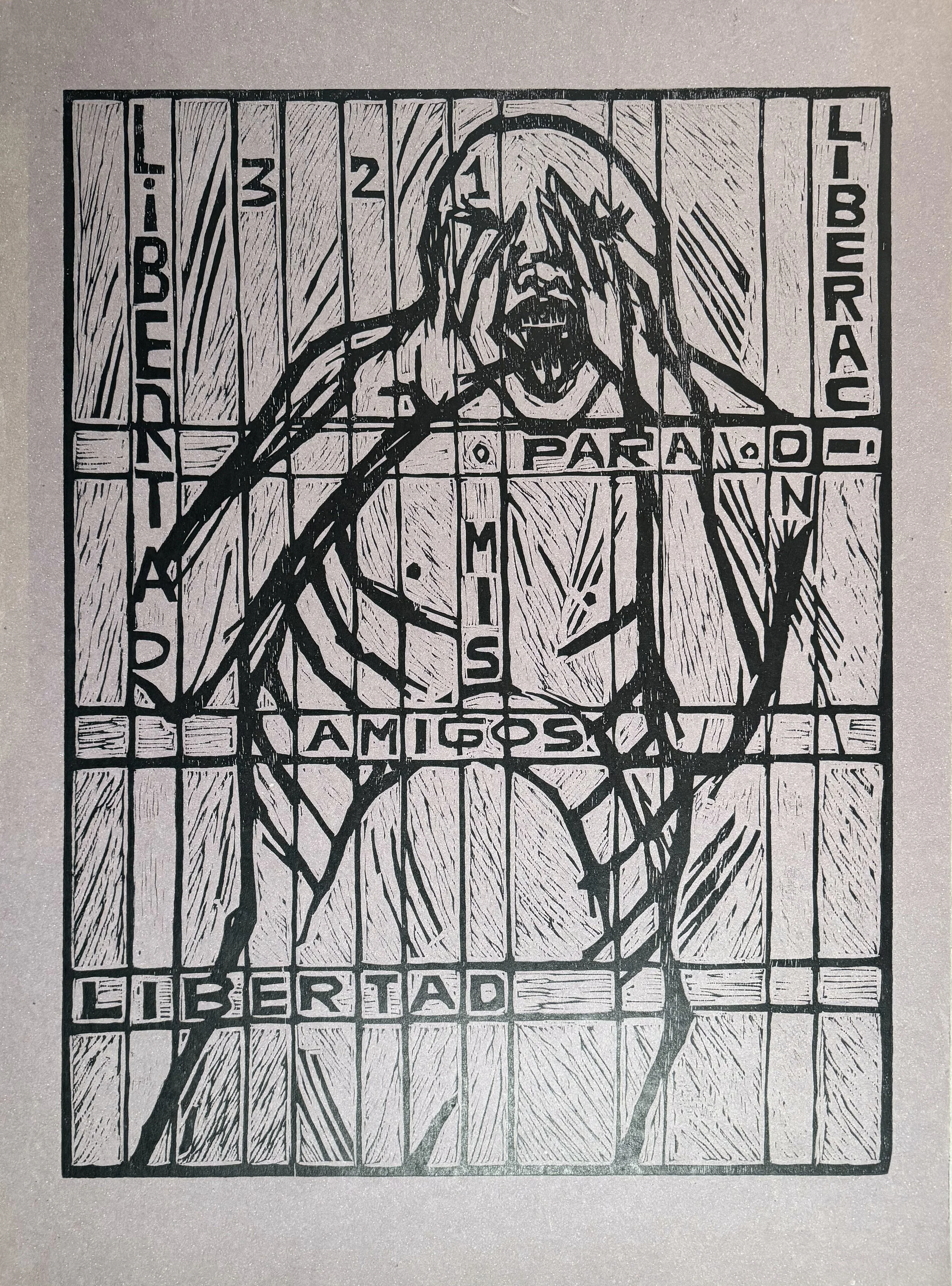
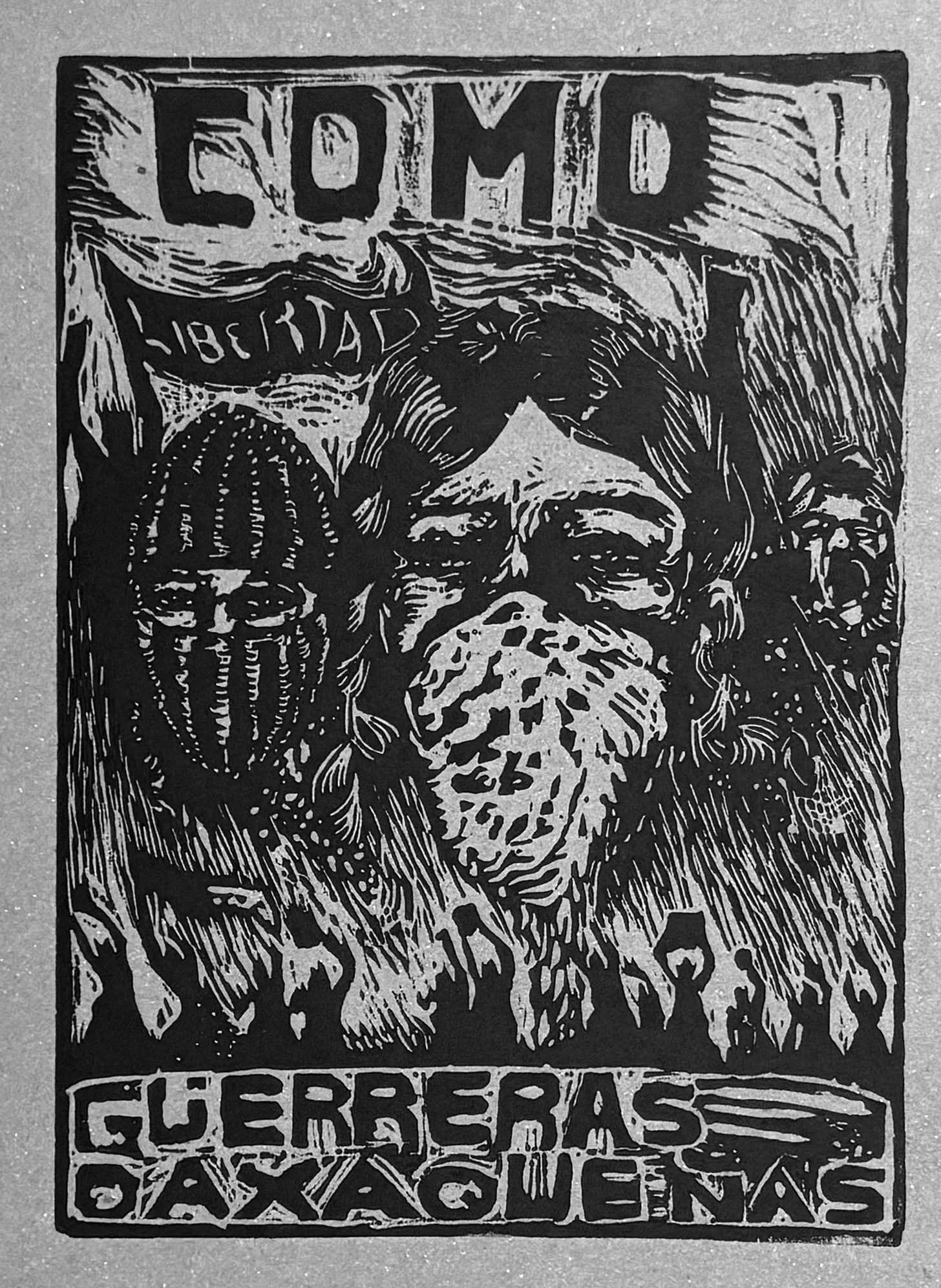
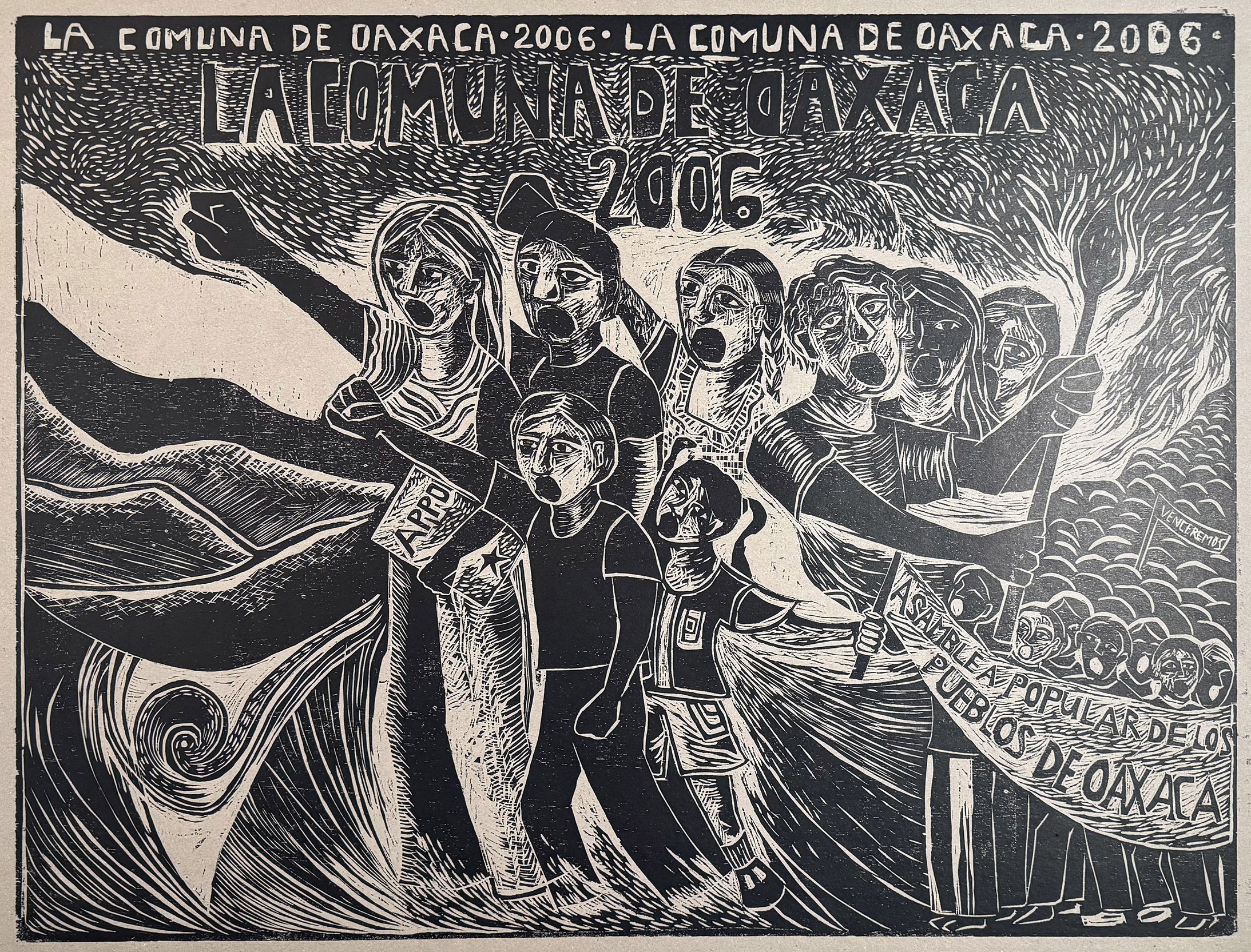
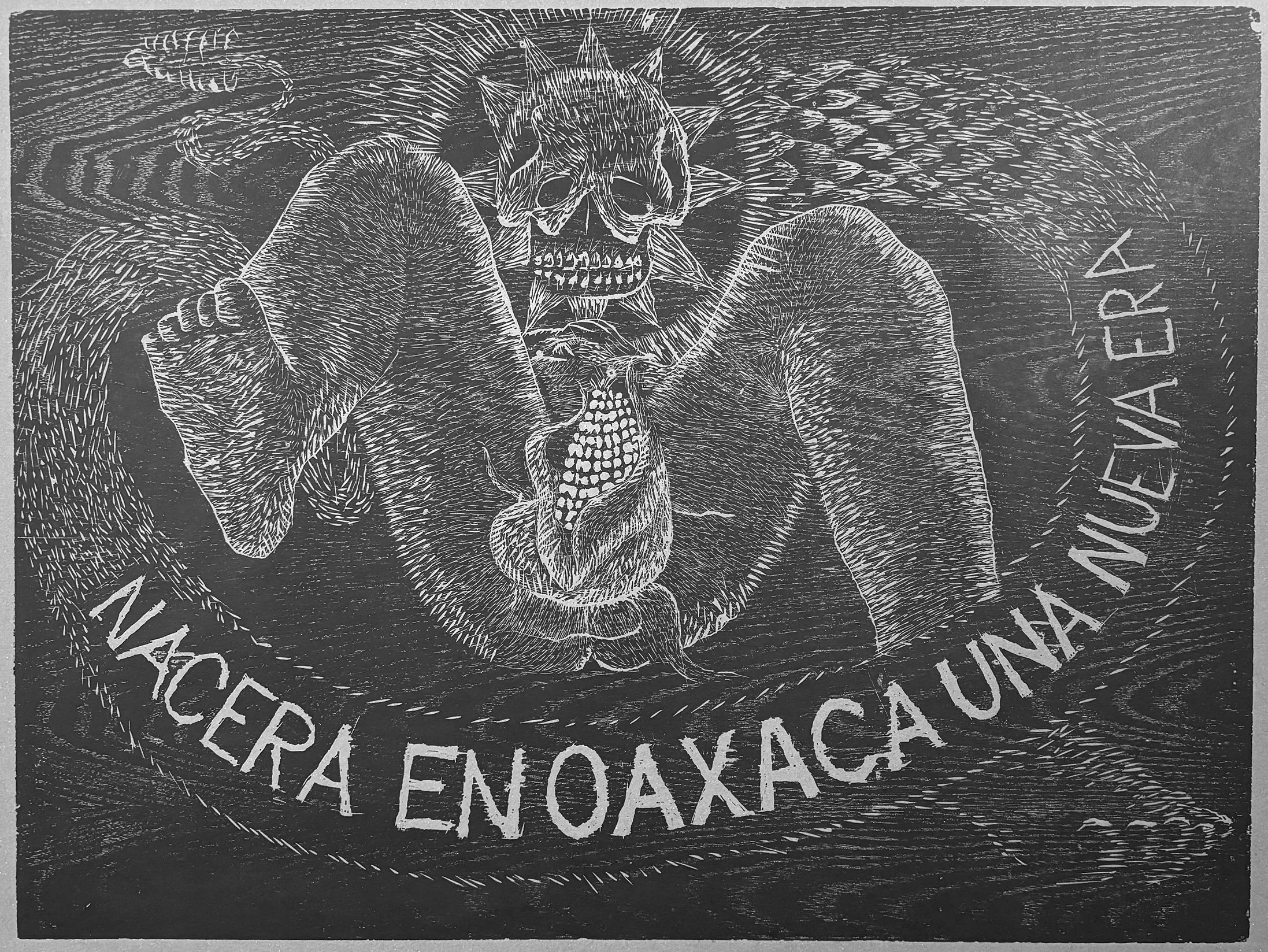
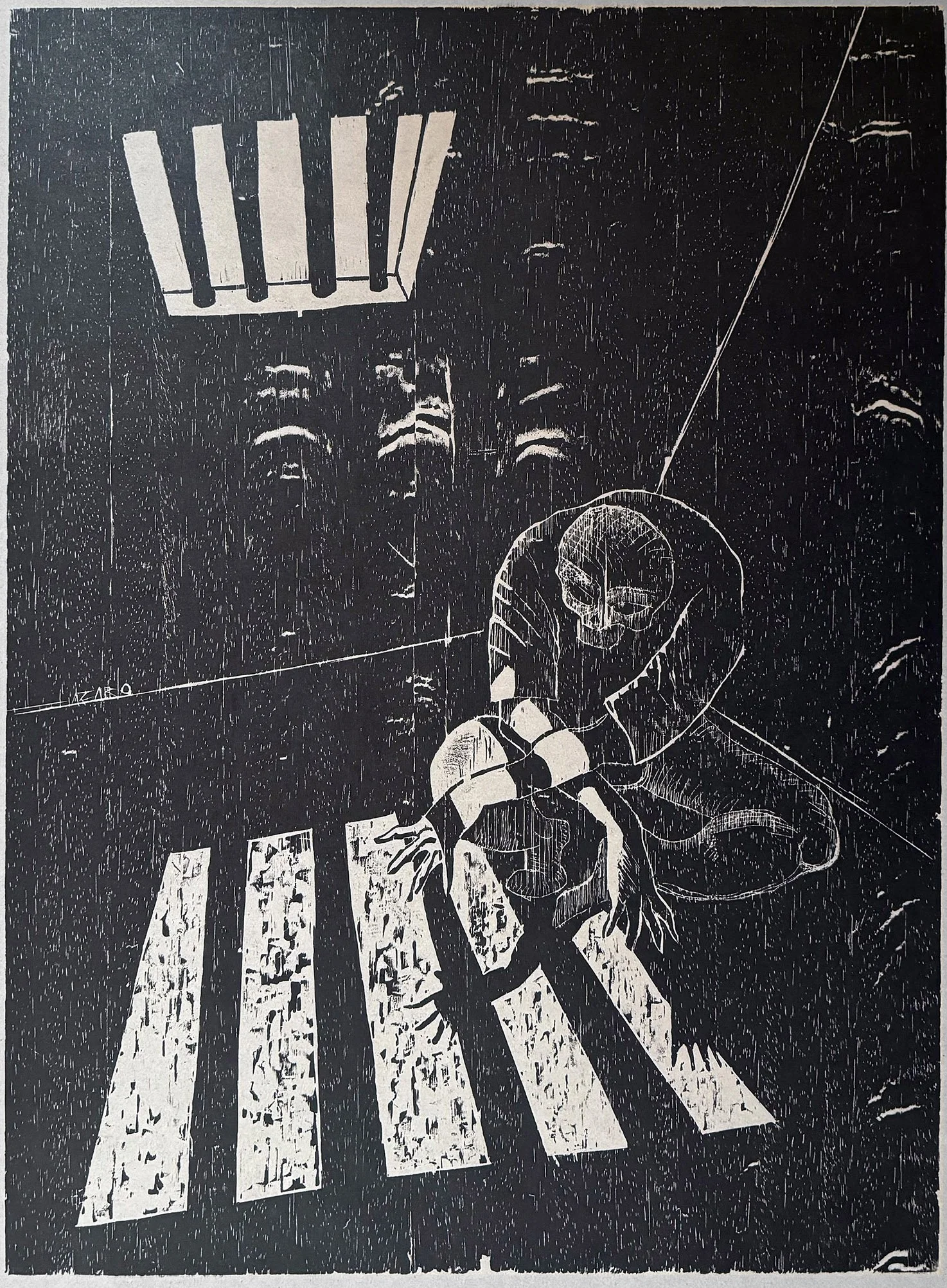
This group of nine prints dates from 2006, the first year of ASARO’s formation. The collective emerged in Oaxaca, Mexico, during a period of intense political unrest following a government-ordered police action on June 14, 2006. In response, widespread protests led to the formation of the Asamblea Popular de los Pueblos de Oaxaca (APPO), a broad coalition of community groups, activists, and artists resisting state repression.
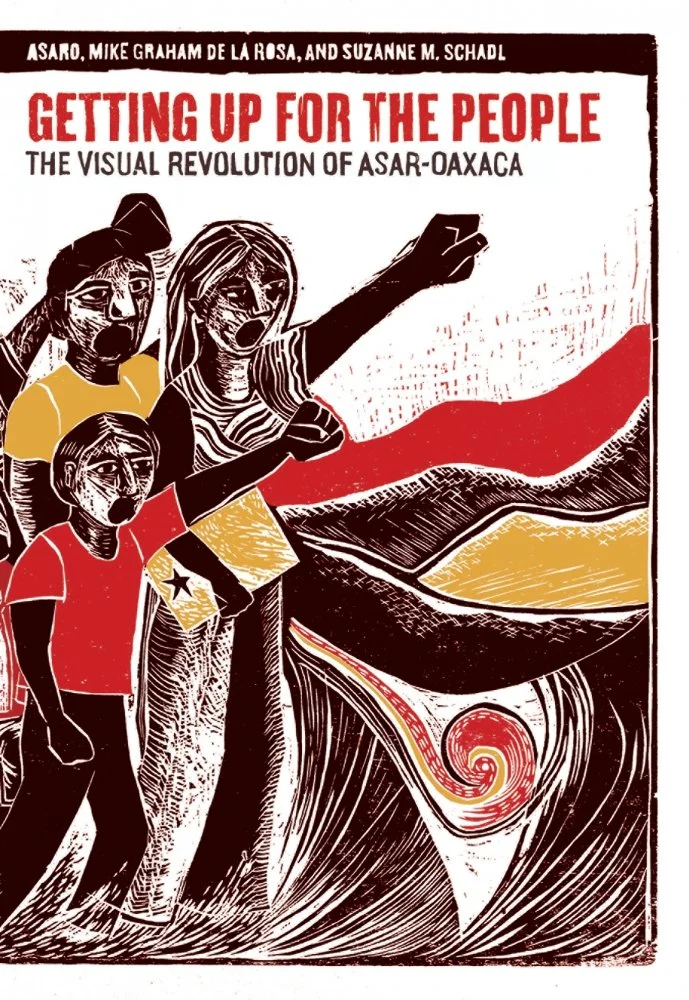
ASARO—an artists’ collective working primarily in woodcut and linoleum block printing—developed within this climate. Their work also extends to large-scale murals, stencils, and public interventions. From the beginning, printmaking served as a democratic medium: direct, reproducible, and accessible. These early prints were created not for the traditional art market, but as tools of communication—visual statements addressing human rights, social inequality, and the lived experience of the Oaxacan people.
As a collective, ASARO initially emphasized anonymity. Works were often signed simply “ASARO,” protecting individual artists while reinforcing a shared voice. This approach allowed participants—many of them young—to contribute freely to a growing visual movement that appeared across walls, streets, and printed matter throughout Oaxaca.
Over time, as the collective became more established, individual members began to identify their work more openly. Artists associated with ASARO include Mario, Cesar, Yescka, Ita, Irving, Chapo, Beta, and Line, among others. While the collective ethos remains central, signed works also allow for broader recognition and the development of a market for collectors.
Today, ASARO’s prints occupy a unique position: they are both artifacts of a specific political moment and enduring works of graphic art. For collectors, they offer not only strong visual impact but also a direct connection to a movement rooted in community, resistance, and the idea of art created “del pueblo”—for and by the people.
Medium: Wooodcut
Year: 2006
Edition: unknown
Image Size: 24 × 32
Paper Size: 28 × 37.5