Prints from the Benveniste Print Club
The Benveniste Contemporary Print Club was established in Madrid in 1993 to promote original contemporary printmaking through the publication of limited-edition works by leading international artists. Working with artists from Europe, Latin America, and North America, the club commissioned editions that showcase the creative possibilities of etching, aquatint, lithography, and other traditional printmaking techniques.This selection of works by six artists offer a rare opportunity to acquire Benveniste Print Club prints that are seldom encountered on the secondary market.
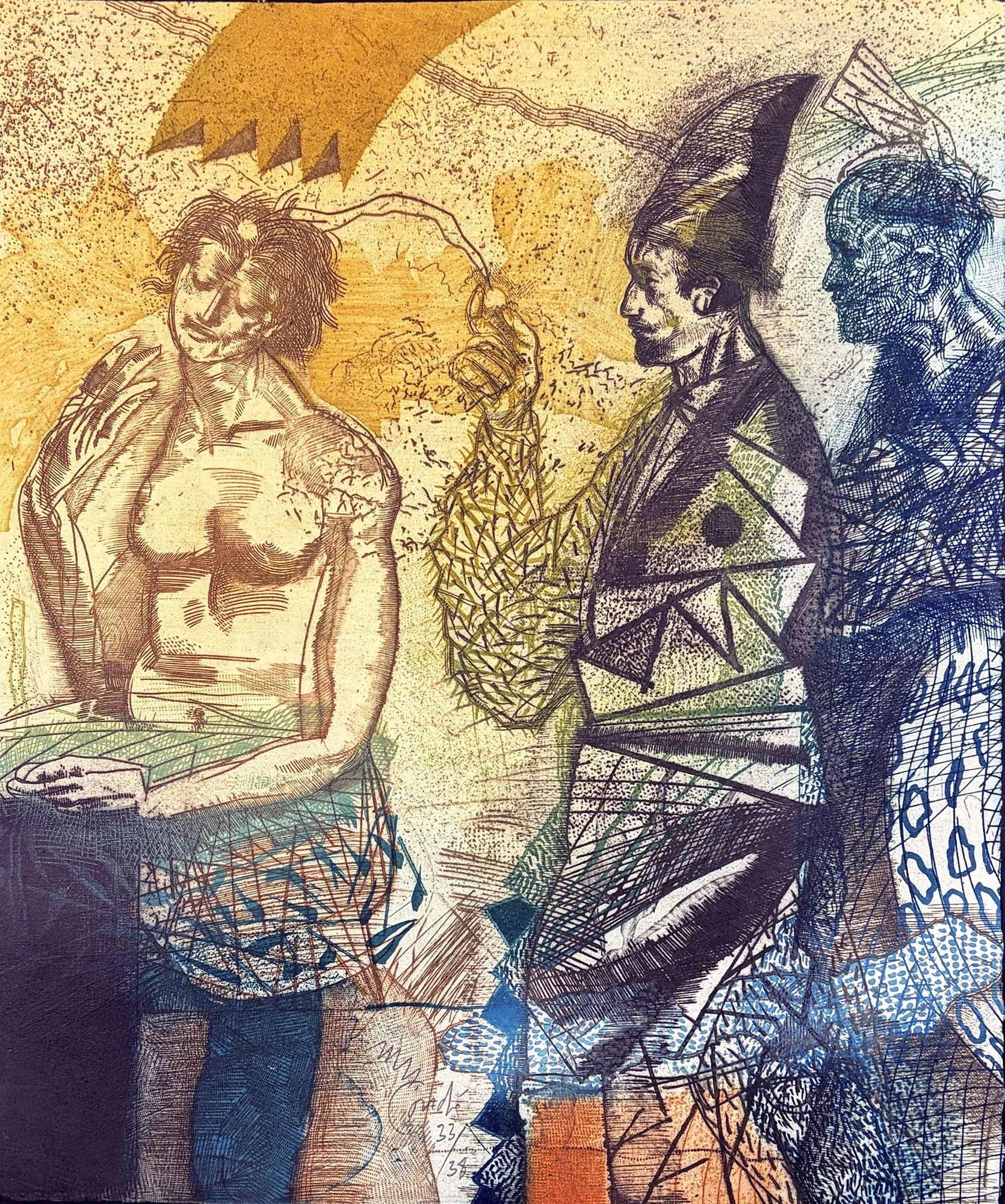
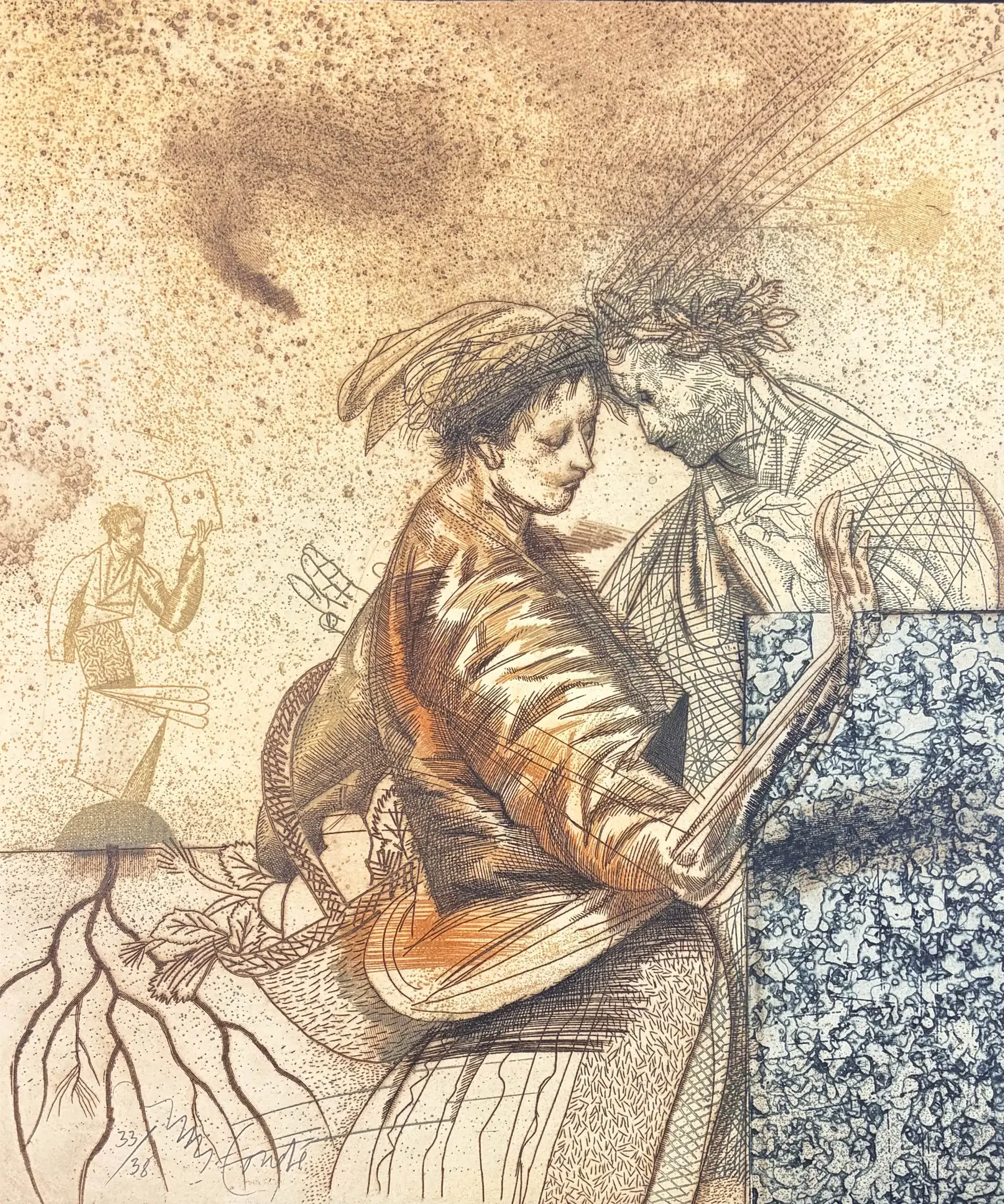
Miguel Conde
Miguel Conde (born 1939, Ocaña, Spain) is a Spanish-born Mexican artist celebrated for his distinctive figurative imagery and exceptional draftsmanship. After relocating to Mexico in the 1950s, Conde developed a highly personal visual language that blends elements of realism, symbolism, mythology, and psychological narrative. His compositions often feature enigmatic figures, theatrical settings, and subtle references to memory, desire, and the human condition. Working across painting, drawing, and printmaking, Conde has earned international recognition for his technical mastery and imaginative approach to storytelling. Published by Ediciones Benveniste and The Print Subscribers Club in 1999, the etchings presented here demonstrate the artist's remarkable command of intaglio techniques while showcasing the rich narrative complexity that has made his work sought after by collectors and institutions throughout Mexico, Europe, and the United States.
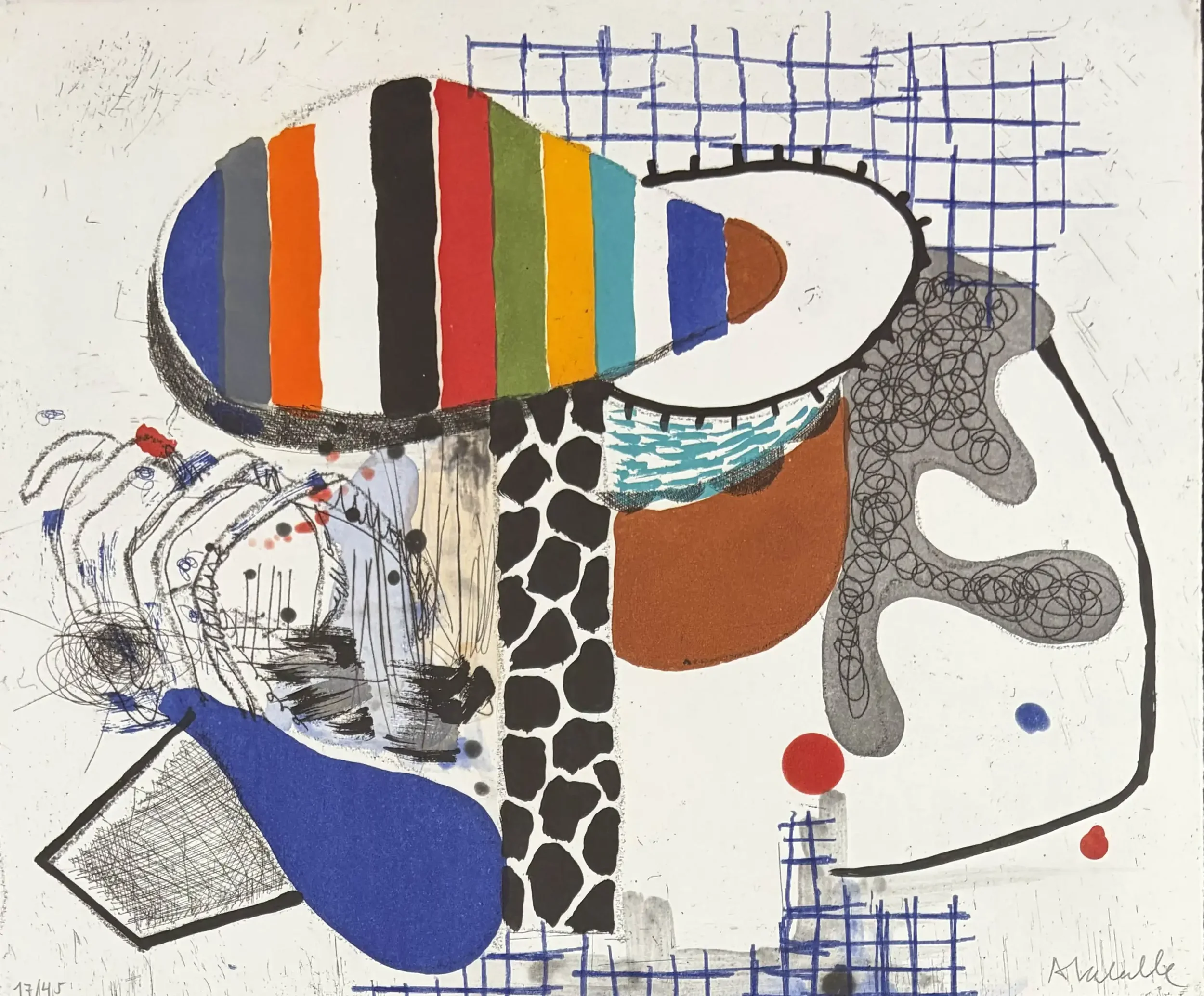
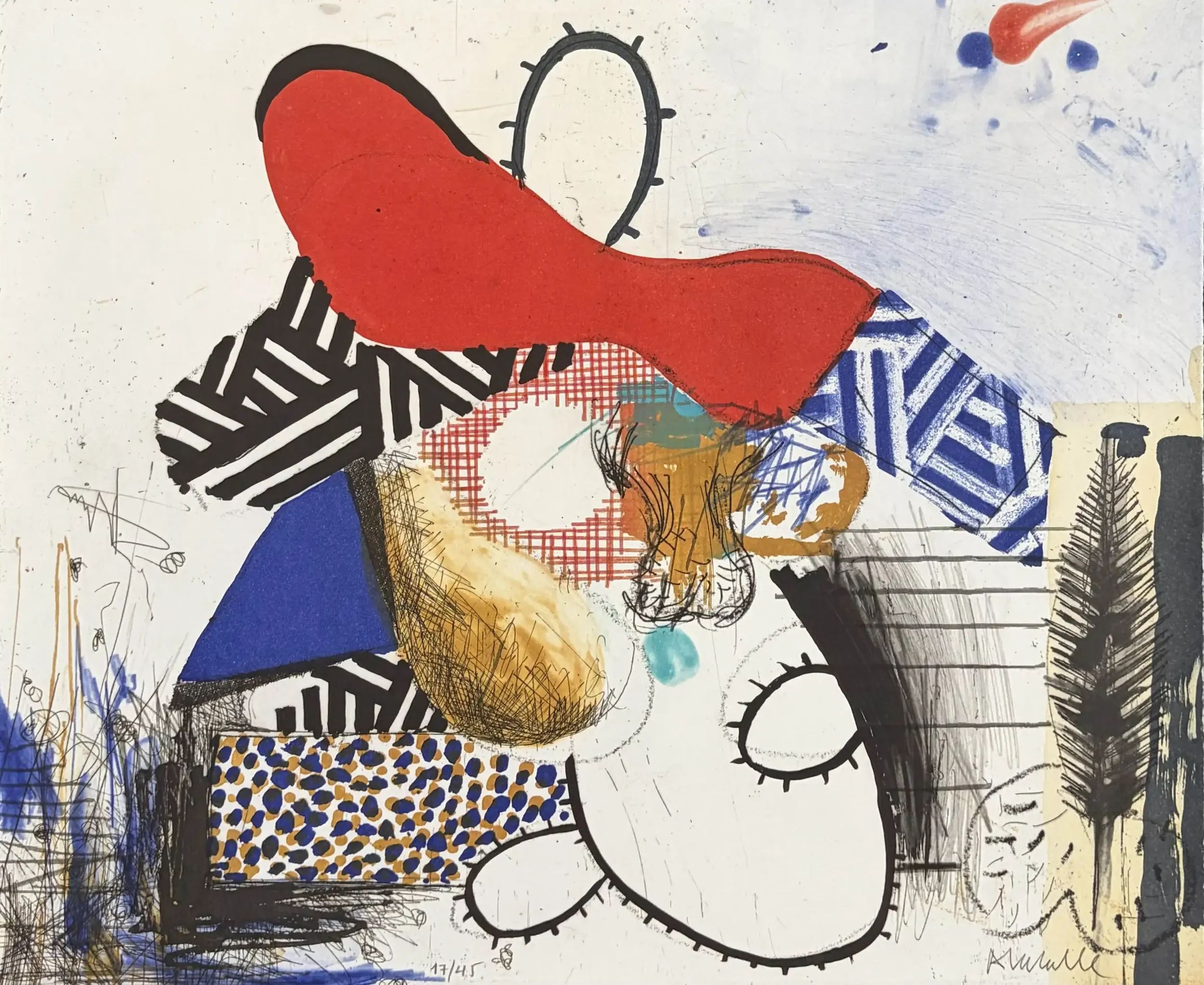
Abraham La Calle
Abraham La Calle (born 1962, Almería, Spain) is a contemporary Spanish painter and printmaker known for his vibrant visual language and richly layered compositions. Living and working in Seville, LaCalle has exhibited extensively throughout Europe and the United States. His work combines expressionist immediacy with conceptual structure, drawing inspiration from artists such as Matisse, Picasso, Jasper Johns, and Philip Guston.
His work is part of the collections of the Centro Andaluz de Arte Contemporáneo (Seville), the Museo de Arte Moderno y Contemporáneo (Palma de Mallorca), the Santander Collection (Madrid) or the Museo Nacional Centro de Arte Reina Sofía (Madrid), among many others.
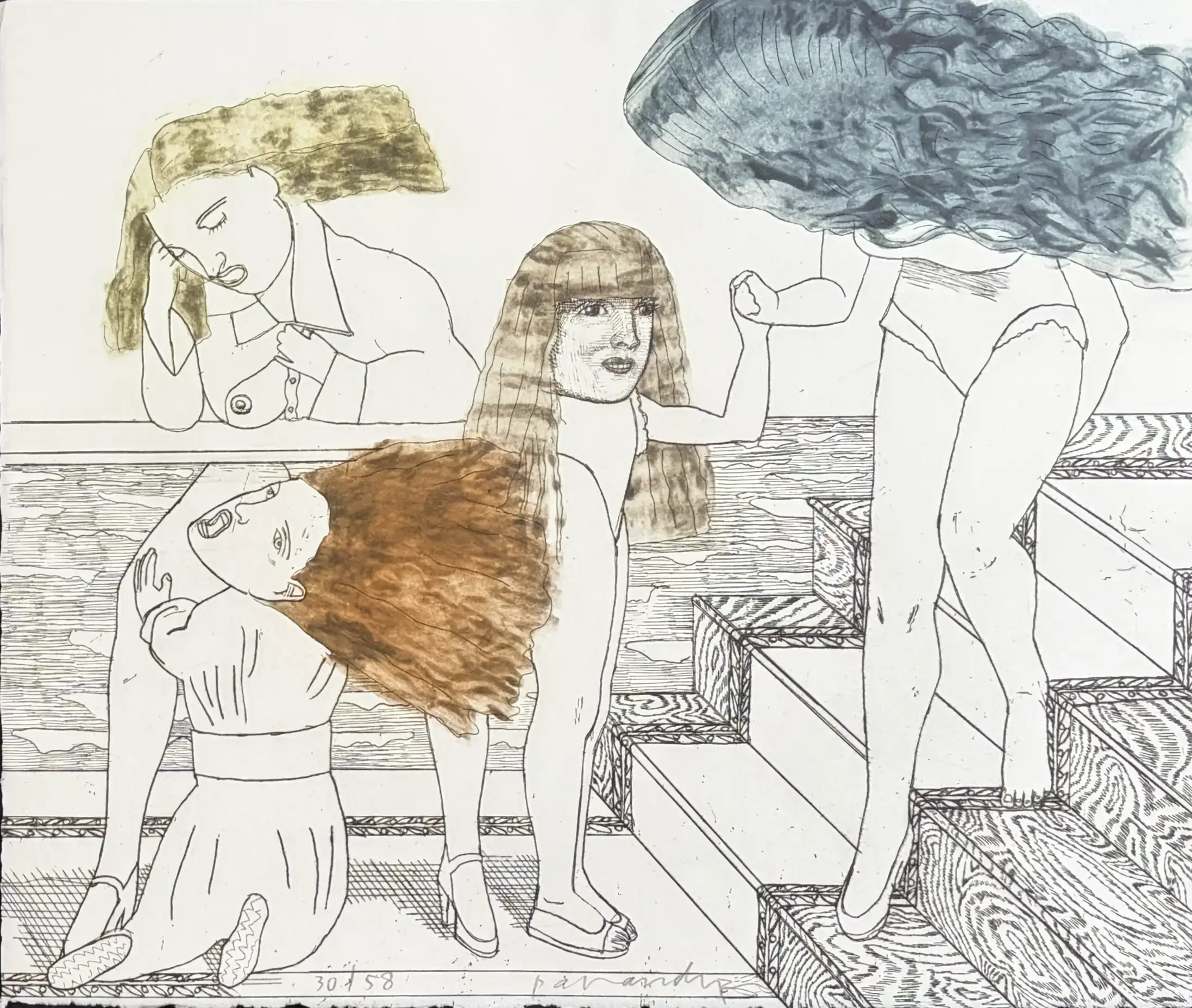
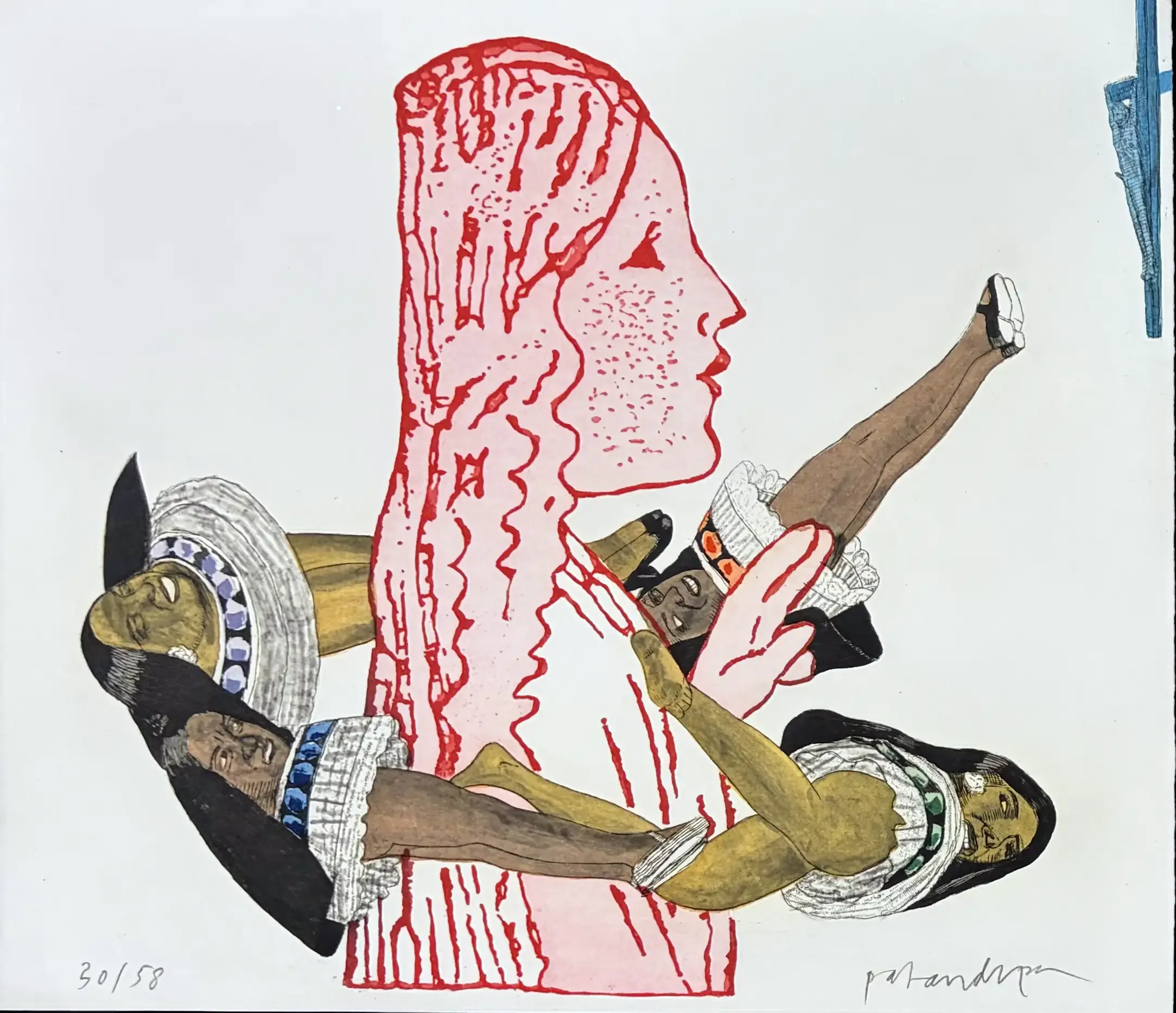
Pat Andrea
Pat Andrea (born 1942, The Hague) is one of the most distinctive figurative artists of the postwar European tradition. Though Dutch by birth, Andrea's long association with France, Spain, and Argentina brought a strong Latin influence into his work, resulting in imagery that is both psychologically charged and visually theatrical. His compositions often feature enigmatic figures, dreamlike narratives, and unsettling juxtapositions that invite multiple interpretations rather than straightforward explanations. He is one of the most prominent figures in European magical realism and new figurative iconography.
Frequently compared to Francis Bacon and Balthus, Andrea combines technical mastery with a fascination for ambiguity, memory, desire, and human relationships. Women, animals, interiors, and symbolic objects recur throughout his work, creating scenes that feel suspended between reality and imagination.
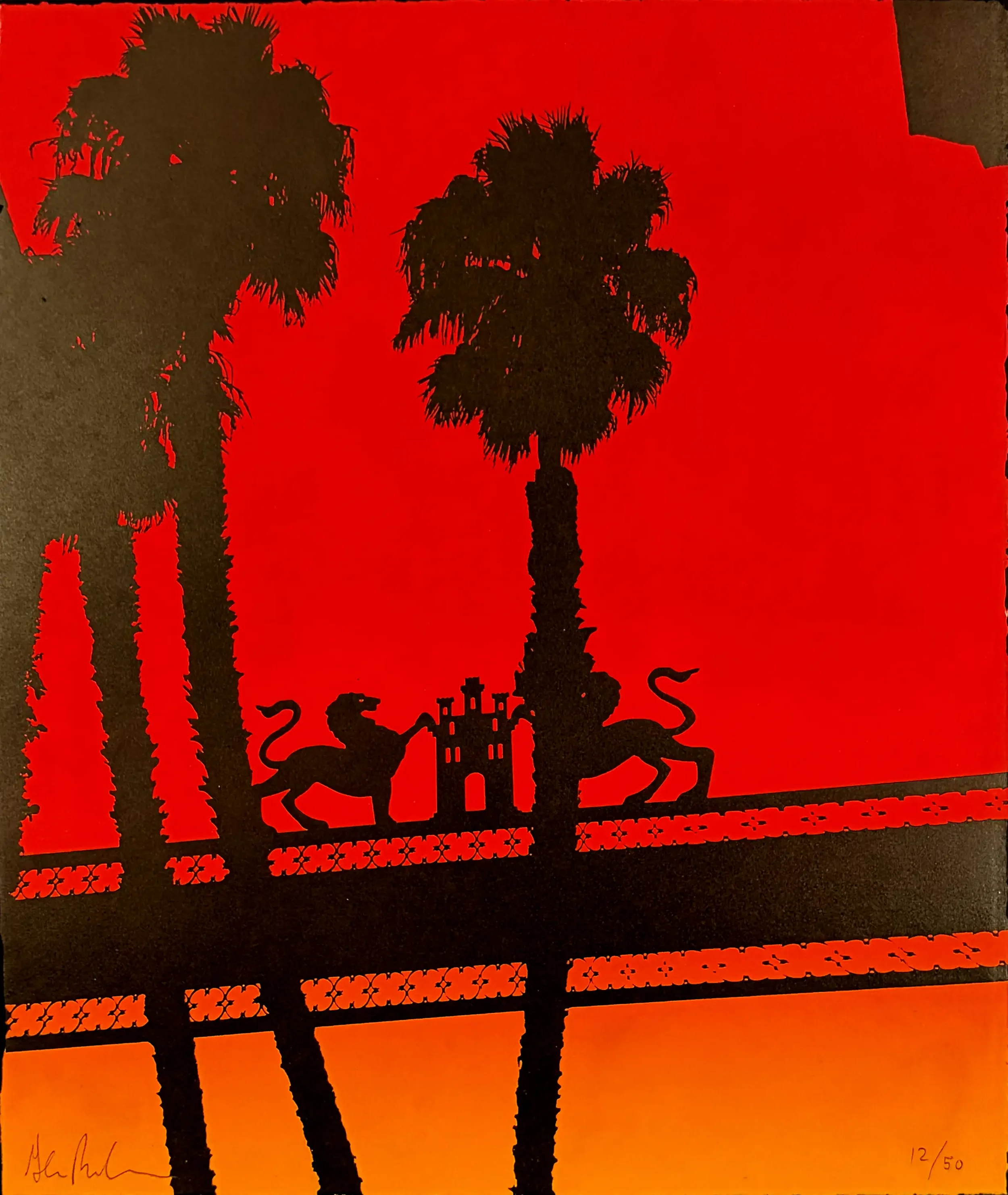
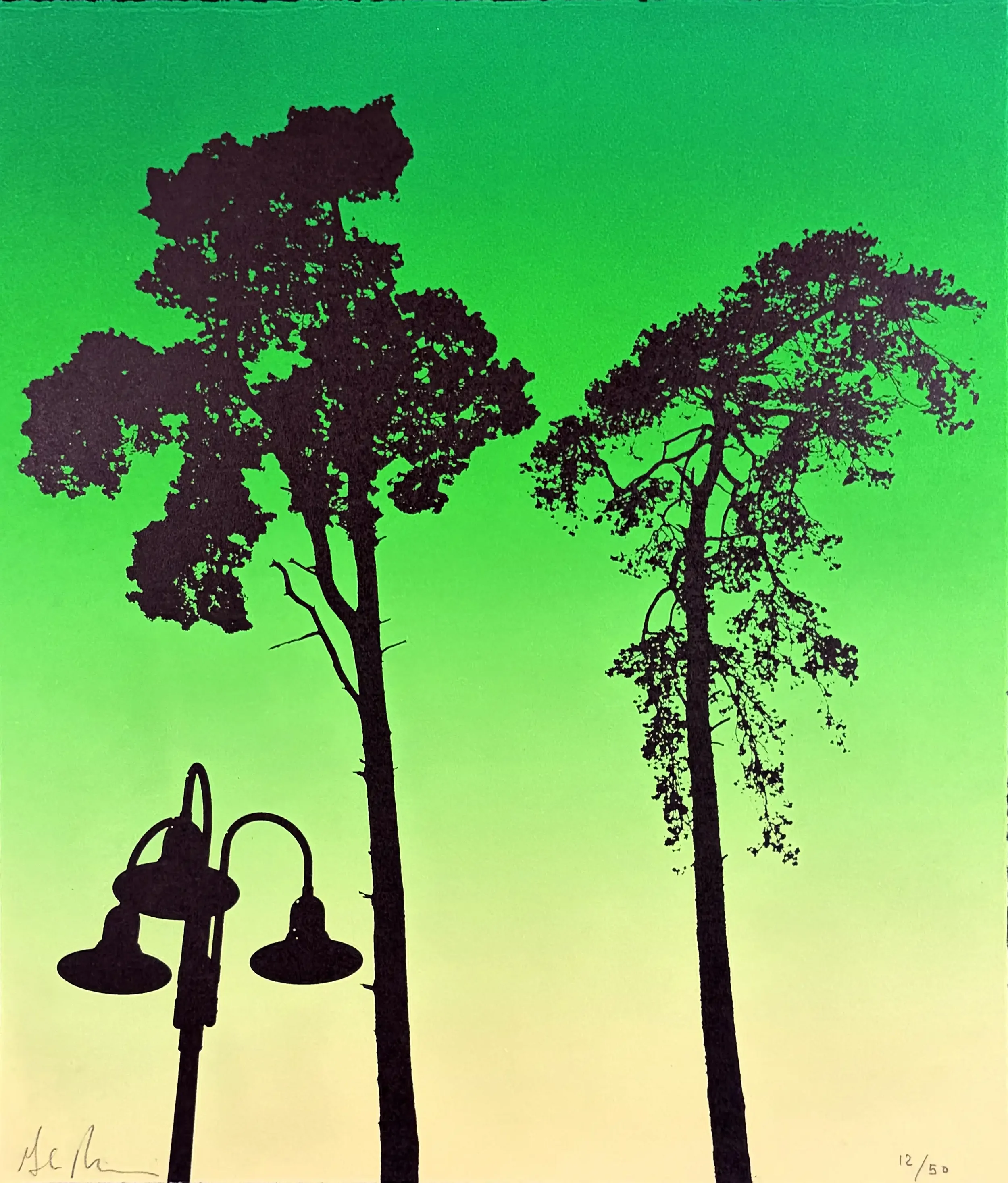
Glen Rubsamen
Glen Rubsamen (born 1959, Hollywood, California) is an American artist whose work explores what he describes as the “post-natural” landscape—a world where nature and the built environment have become inseparable. Living and working between Cologne and New York, Rubsamen creates images that combine palm trees, streetlights, surveillance devices, fragments of architecture, and dramatic atmospheric color. His landscapes are neither entirely natural nor entirely urban; instead, they occupy a space where beauty, uncertainty, and environmental change coexist. Published by The Print Subscribers Club in 2005–2006, these photogravures translate Rubsamen’s distinctive visual language into luminous compositions that evoke Southern California while reflecting broader questions about contemporary life and the changing meaning of landscape.
Jacobo Castellano
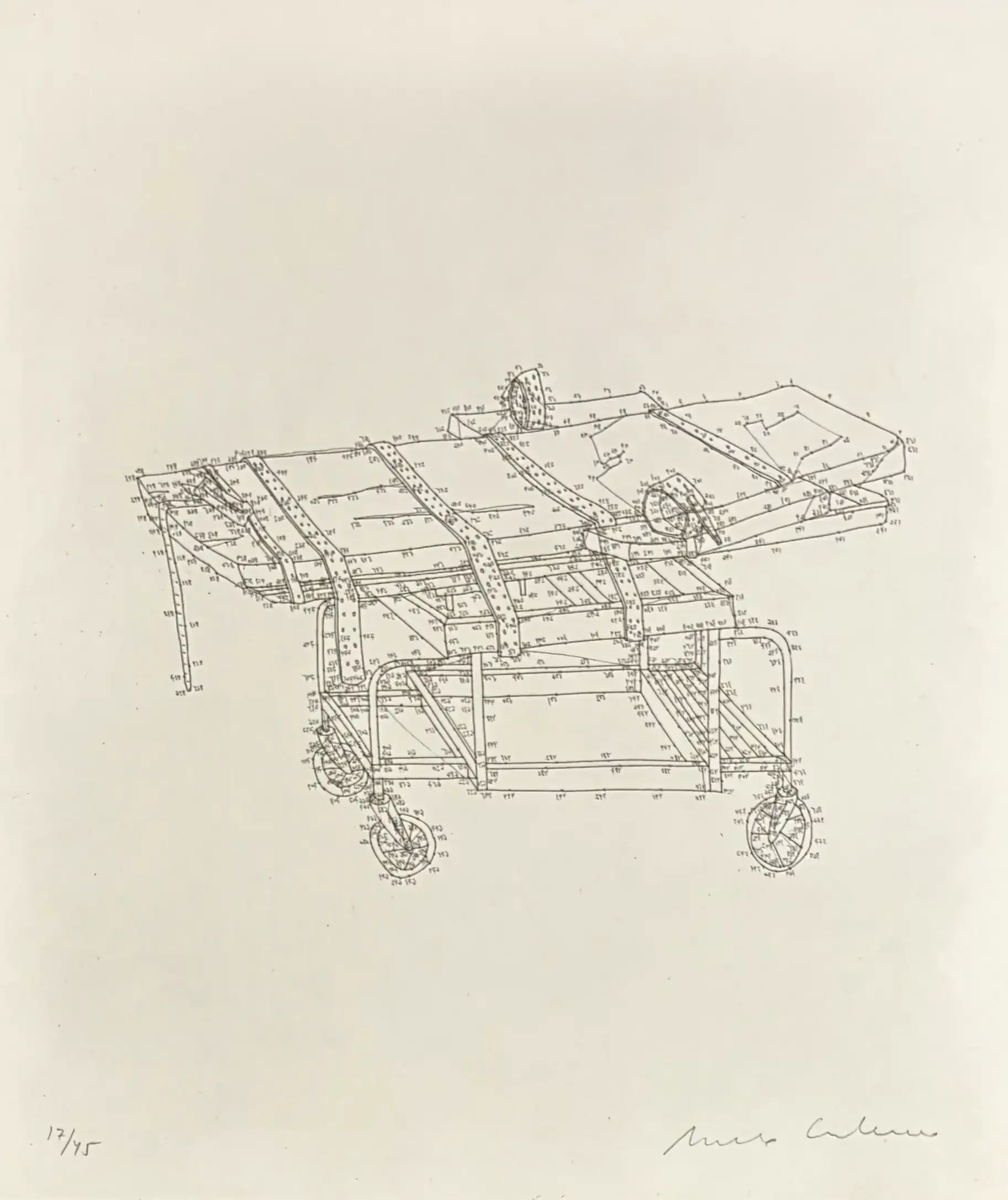
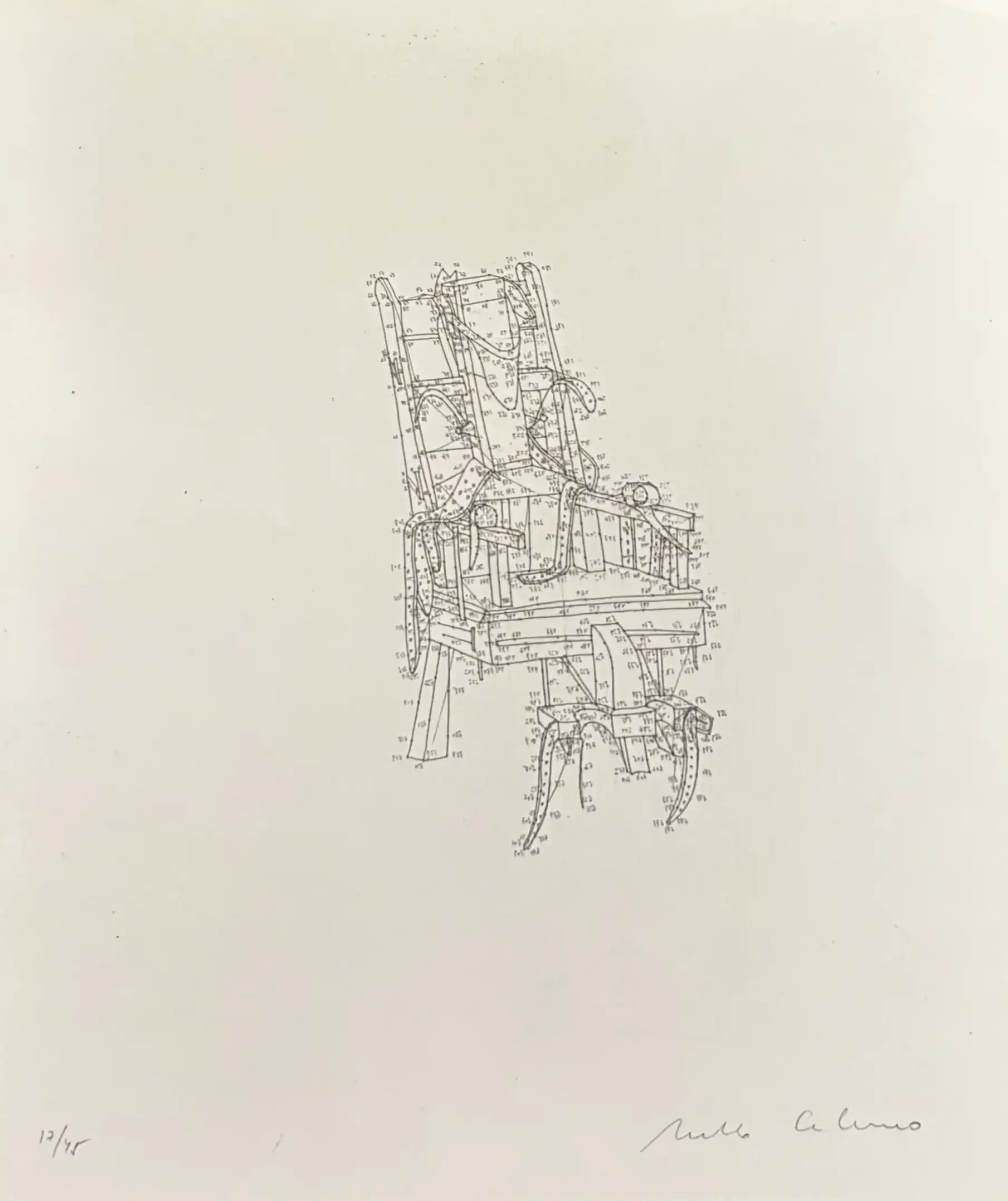
Jacobo Castellano (born 1976, Jaén, Spain) is a Spanish painter, sculptor, and printmaker whose work explores memory, authority, and the psychological weight carried by ordinary objects. Drawing upon personal experience as well as the cultural and religious traditions of Andalusia, Castellano transforms familiar forms into evocative symbols charged with emotional and historical meaning. The sparse etchings presented here suggest devices of restraint, confinement, or institutional control, reducing complex themes of power, vulnerability, and human absence to delicate networks of etched lines. Published by The Print Subscribers Club in 2004–2005, these works demonstrate Castellano's ability to convey profound ideas through remarkably economical visual means.
By: Miguel Conde
Medium: Etching, dry point and chine collé
Edition Size: 38
Year: 1999
Image size: 15.8 x 13.4" (40 x 34 cm.)
Paper size: 15 x 12.6" (38 x 32 cm.)
Fábula de magos ("Fable of Magicians") is a richly detailed figurative etching by Miguel Conde depicting a mysterious gathering of figures in a theatrical narrative setting.
Optional Note
Special pricing is available for collectors interested in acquiring the complete set of three Miguel Conde etchings from this portfolio.