John Van Hamersveld - prints and biography
Psychedelic Graphic Art Defining the Visual Language of 1960s and 1970s Popular Culture


John Van Hamersveld
Biography
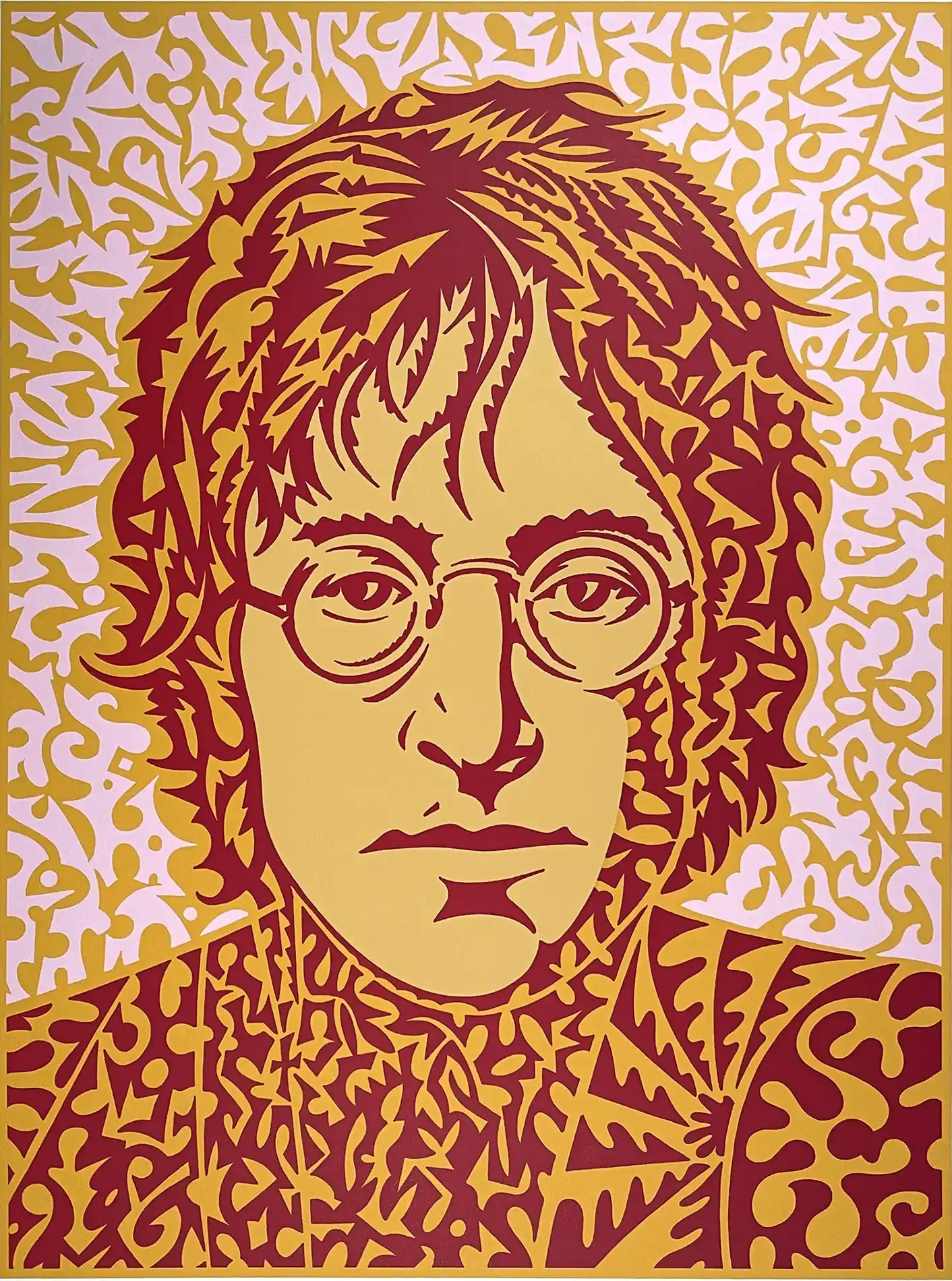
John Van Hamersveld (born September 1, 1941) is an American graphic artist, illustrator, and designer whose bold, psychedelic imagery helped define the visual language of 1960s and 1970s popular culture. Over a career spanning more than six decades, he has created hundreds of album covers and posters, merging fine-art sensibility with the immediacy of mass culture and the visual energy of music and surf communities.
Van Hamersveld’s work is marked by a striking command of color, simplified form, and iconic imagery—qualities that continue to resonate with contemporary artists who draw from popular culture as a shared visual language. His influence can be seen in the work of artists on this site such as Shepard Fairey, whose graphic vocabulary and use of cultural symbols extend the legacy of poster-based art, and Dalila Paola Méndez, whose work similarly reclaims familiar imagery to explore identity, memory, and collective experience.
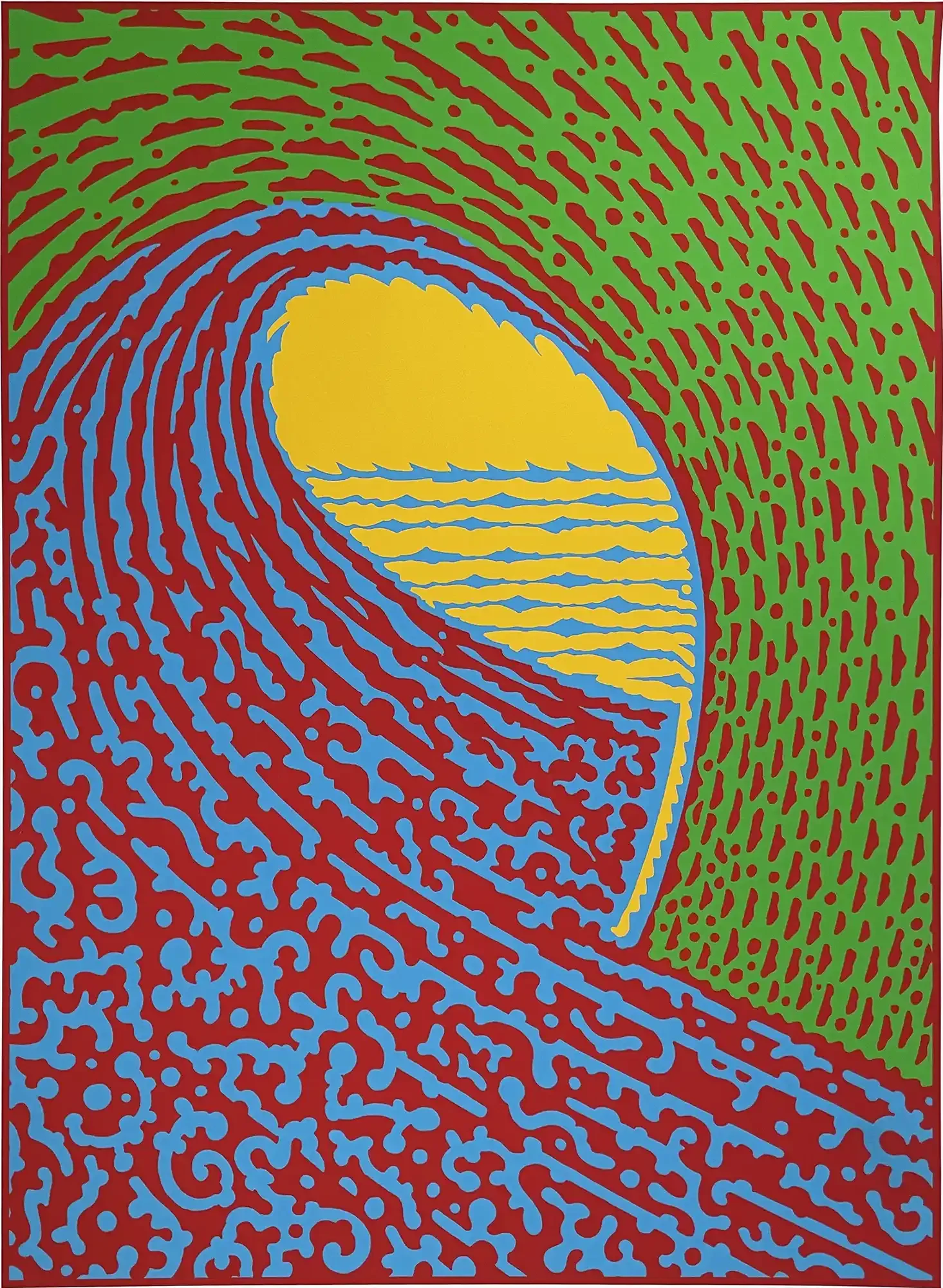
His breakthrough came in the early 1960s, when his now-iconic The Endless Summer poster distilled surf culture into a bold, flattened composition that balanced abstraction with instant recognizability. This ability to translate cultural movements into enduring visual symbols became a defining feature of his career and set the foundation for decades of influential design work.
Throughout his career, Van Hamersveld consistently blurred the boundary between fine art and commercial design, producing images that were at once accessible and conceptually rigorous. His posters and album imagery function not only as graphic design, but as cultural artifacts—objects that capture the spirit of their time while remaining visually compelling long after their original moment has passed.
Today, John Van Hamersveld’s work stands as a bridge between generations of artists who use popular imagery as a means of cultural commentary. His legacy lies not only in the images themselves, but in the path he helped establish for artists who treat graphic art as a powerful tool for shaping collective memory.