Miniature Prints and Ex Libris






Miniature Prints
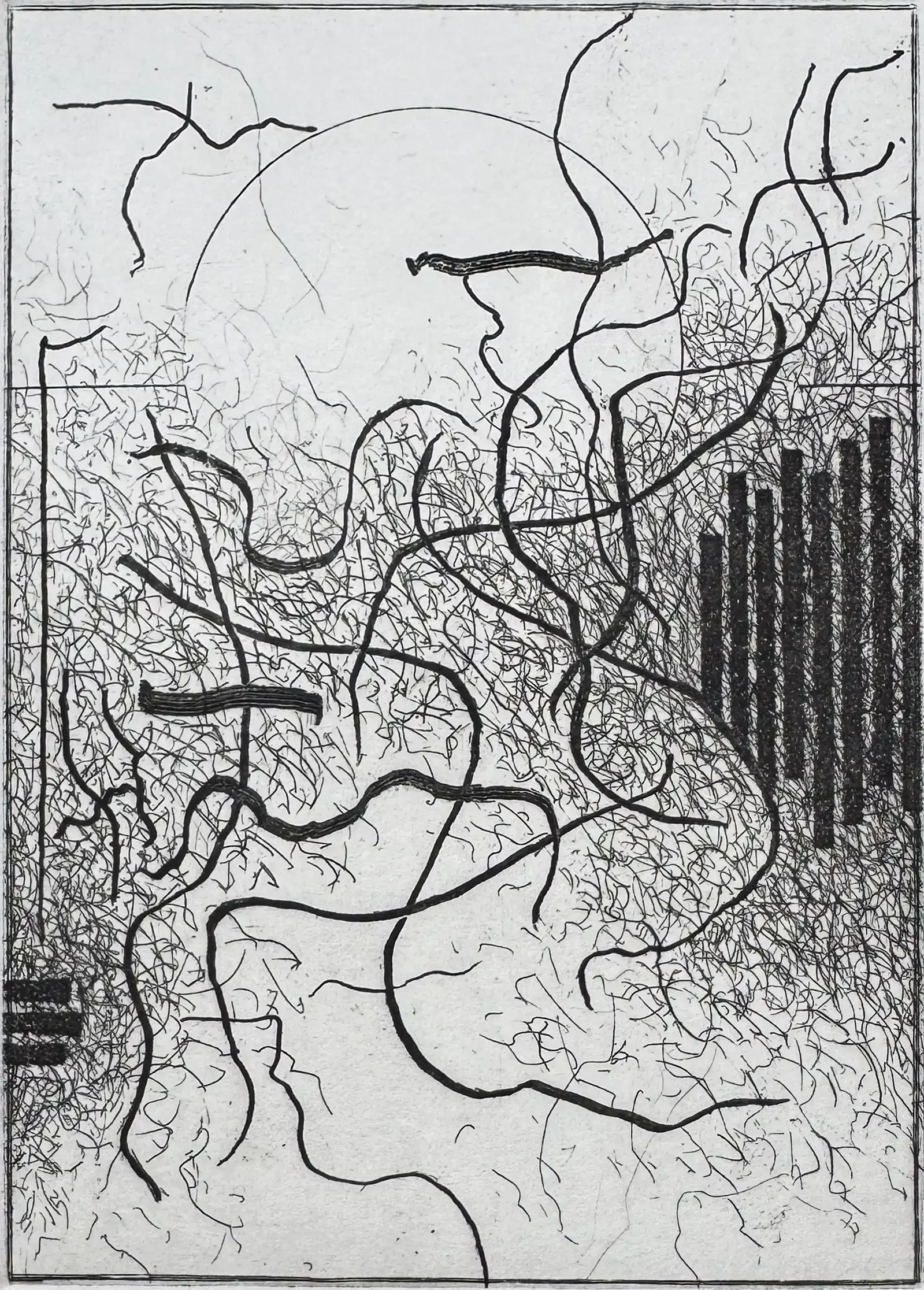
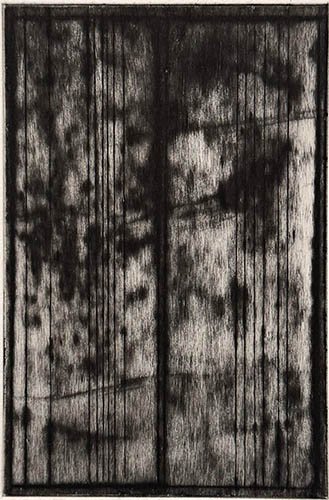
In the world of art, size often shapes perception, yet miniature prints reveal how powerfully expression can inhabit a small scale. These intimate works reward close looking, inviting viewers to lean in and discover finely wrought detail, subtle tonal transitions, and concentrated imagery. Artists such as François Houtin and Lars Nyberg demonstrate how architectural spaces, imagined landscapes, and intricate narratives can unfold within remarkably modest dimensions. While artist like Renaud Allirand and Charles Eckart show how even abstraction can be on on a miniature scale.
A Historic Perspective
Miniature prints have a long history, from devotional images and portrait miniatures to the tradition of ex libris bookplates. Their portable scale made them ideal for personal collections and private study. Today, contemporary printmakers—including Yuji Hiratsuka and others working in etching and woodcut—continue to explore the miniature format as a space for experimentation, symbolism, and layered storytelling.
Artistic Techniques and Craftsmanship
Creating miniature prints demands exceptional control. Fine engraving, etching, drypoint, and mezzotint techniques must be handled with precision, as even the smallest mark carries visual weight. The scale challenges artists to distill complex compositions into focused, concentrated forms—an approach that heightens intimacy and rewards sustained attention.
Collecting and Contemporary Practice
For collectors, miniature prints offer both accessibility and depth. Their size allows for thoughtful display and close engagement, while their craftsmanship reflects the highest traditions of printmaking. Whether architectural, figurative, or symbolic, these works demonstrate that small formats can contain expansive worlds.