What Is a screenprint?
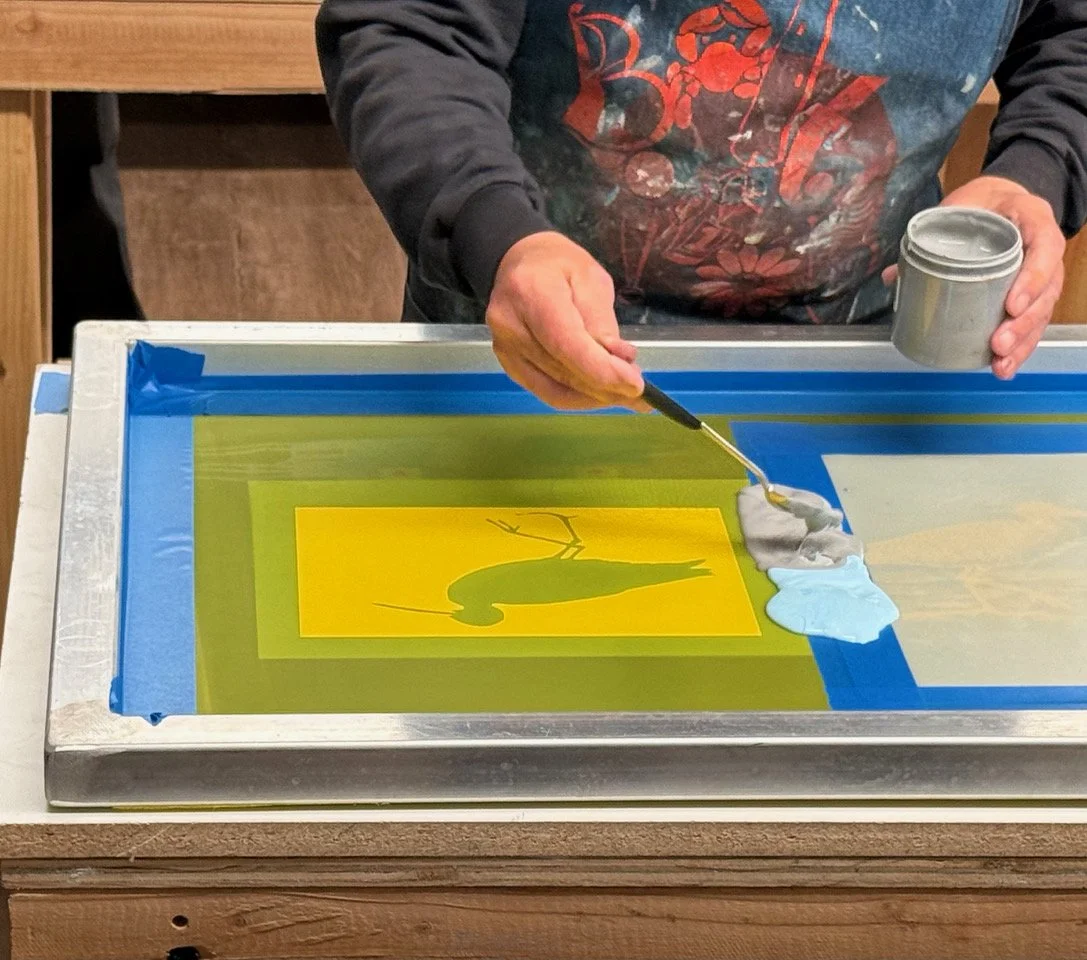
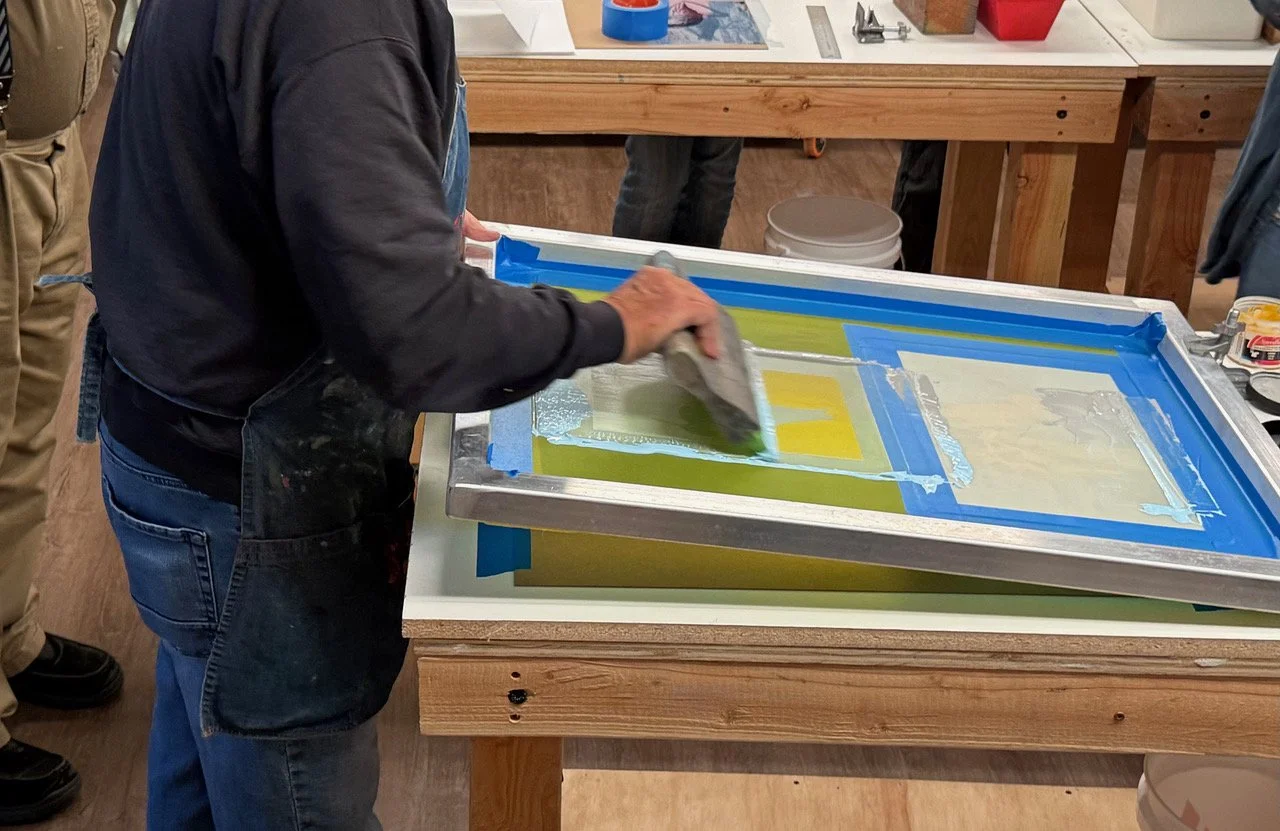
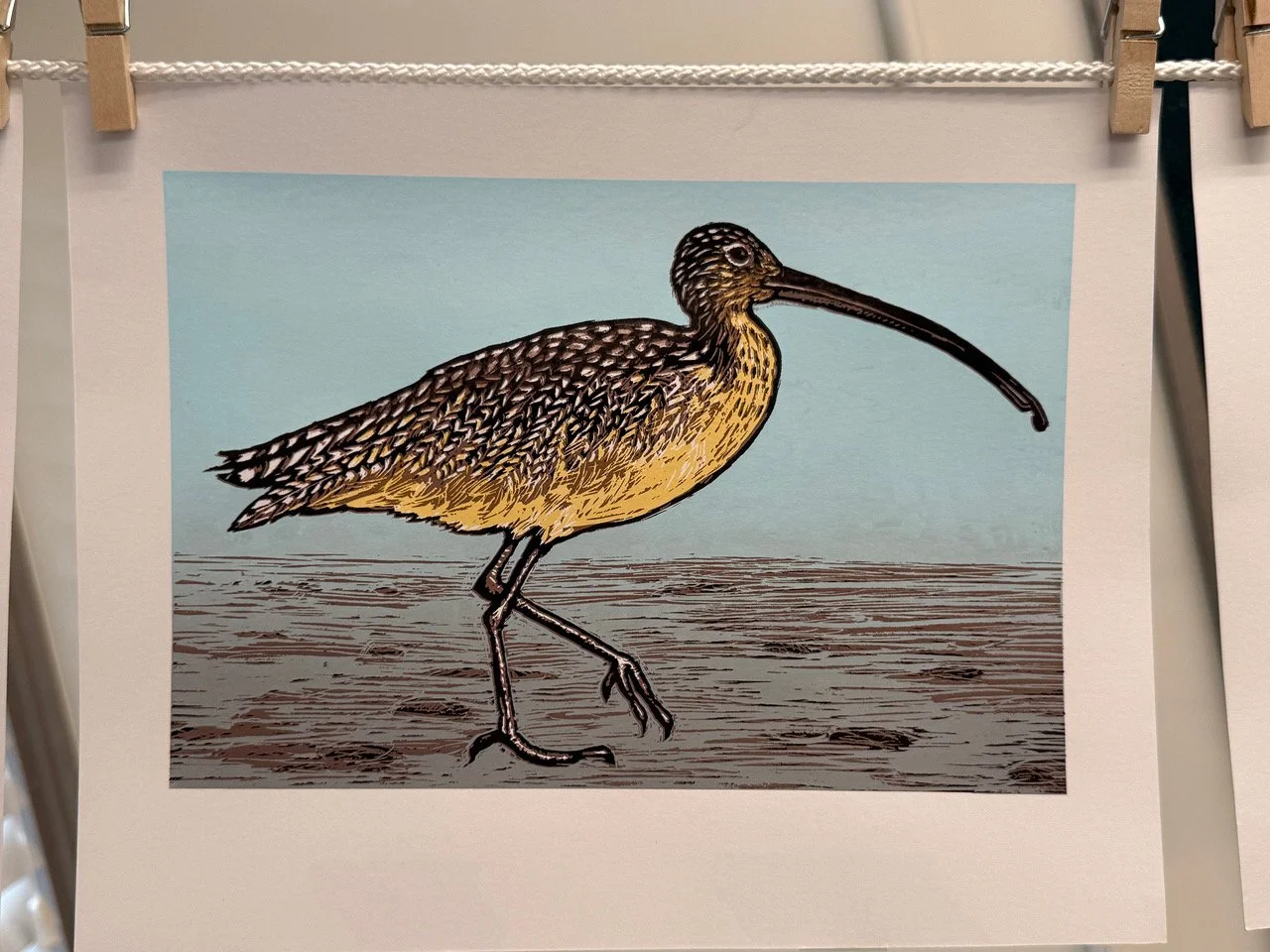
Screenprint, also known as silkscreen or serigraphy, is a printmaking technique in which ink is pushed through a fine mesh screen onto paper using a squeegee. Areas that are not intended to print are blocked with a stencil, allowing the artist to control which portions of the screen transfer ink. Each color is typically printed separately using its own screen, requiring careful alignment and layering throughout the printing process.
The technique became especially important in twentieth-century art because of its ability to produce bold color, flat graphic forms, and strong visual contrasts. Screenprinting can accommodate both highly detailed imagery and simplified abstract compositions, making it one of the most versatile contemporary printmaking methods. Artists may print by hand in small studio editions or collaborate with professional print workshops to create complex multi-color works.
Screenprint gained widespread recognition in fine art through artists such as Andy Warhol, Robert Rauschenberg, and many Pop artists who embraced the medium’s graphic immediacy and vibrant surface qualities. Contemporary artists continue to use screenprinting for figurative, abstract, political, and experimental imagery. Collectors often value screenprints for their rich color saturation, layered surfaces, and strong visual impact.