What Is A Mezzotint?
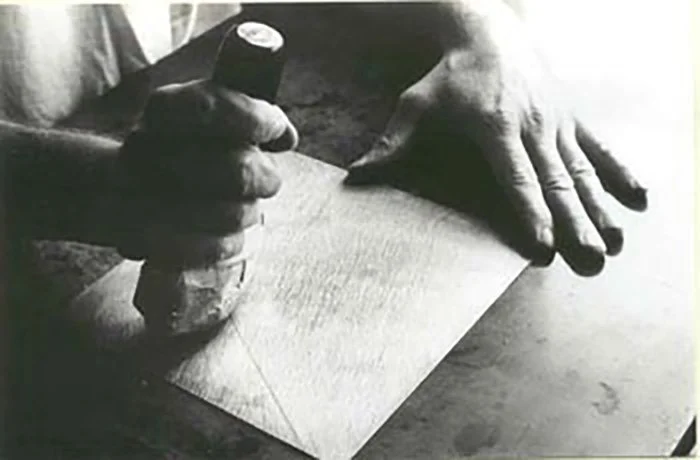
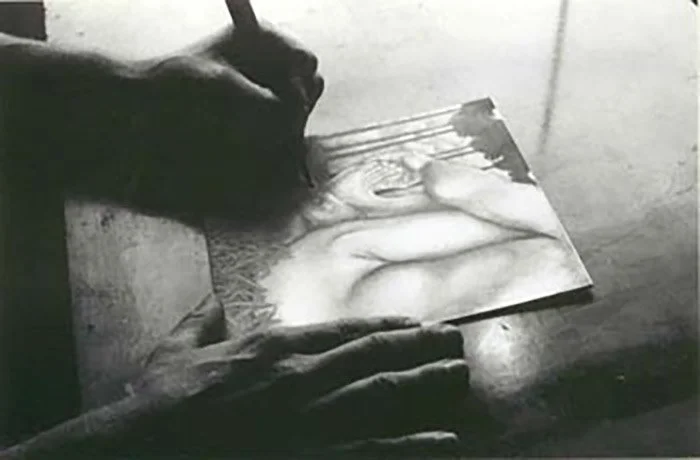
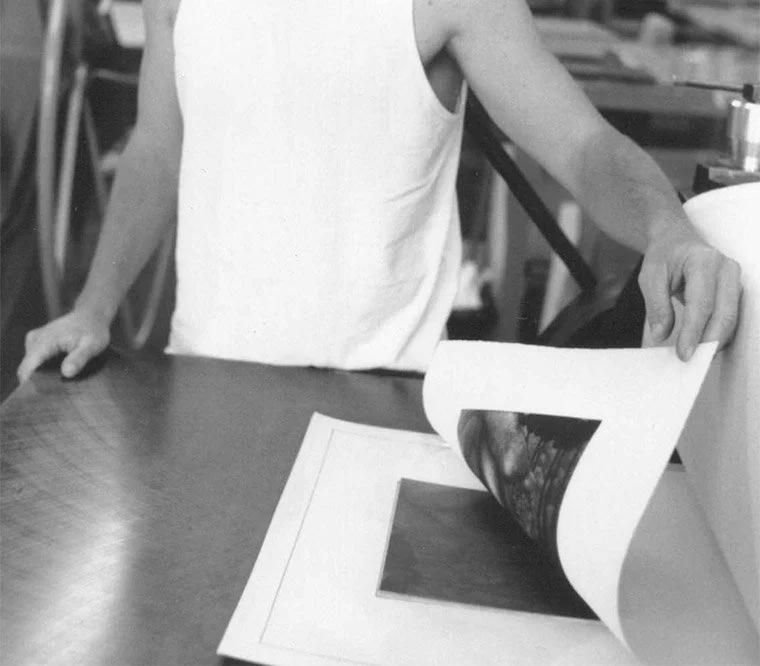
Mezzotint is an intaglio printmaking process known for its unusually rich blacks and subtle tonal transitions. Unlike etching or engraving, which typically begin with smooth metal plates, mezzotint starts by roughening the entire plate surface with a specialized tool called a rocker. If inked at this stage, the plate would print as a deep, solid black. The artist then works from dark to light by smoothing or burnishing selected areas to reduce the amount of ink they hold.
Because the technique relies on tonal modulation rather than line, mezzotint is capable of producing remarkably soft gradations and luminous effects. Historically, the process became popular in the eighteenth century for reproducing oil paintings, particularly portraits, because it could capture subtle modeling and atmospheric depth.
Contemporary artists continue to value mezzotint for its dramatic visual qualities and labor-intensive craftsmanship. The process requires patience and technical control, and finished prints often possess a distinctive surface richness difficult to replicate in other media. Collectors frequently associate mezzotints with moody landscapes, nocturnes, and highly atmospheric imagery.
Artists associated with mezzotint on this site:
Guntars Sietiņš
James Groleau
Art Werger
Konstantin Chmutin
Carrie Lingscheit